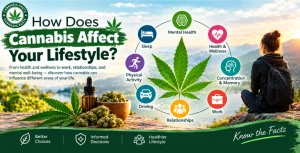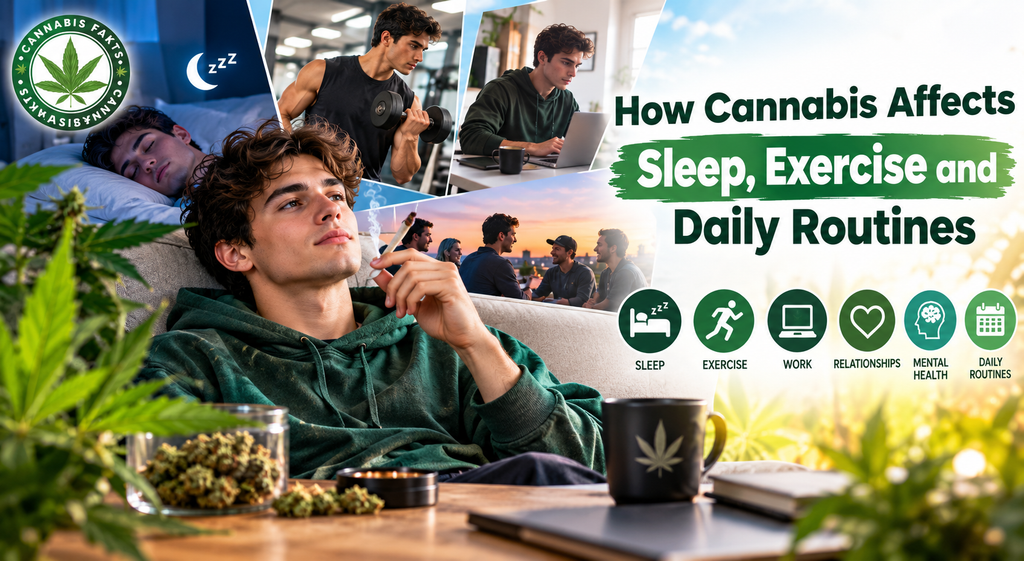
How Cannabis Affects Sleep, Exercise and Daily Routines is an increasingly discussed topic as cannabis becomes part of some people’s recreational, social, and evening routines. As interest in cannabis continues to grow, people are also asking how it may interact with sleep, physical activity, work, relationships, and mental health.
The cannabis effect on everyday life can vary significantly from person to person. Factors such as THC concentration, CBD content, dosage, frequency of use, consumption method, age, individual health, and the use of alcohol or other substances can all influence the experience. Understanding How Cannabis Affects Sleep, Exercise and Daily Routines can help readers look at cannabis within the broader context of lifestyle, rather than assuming it produces the same effects for everyone.
Read:More:CDC — Cannabis Health Effects
How Cannabis Can Interact With Sleep
Sleep is one of the most commonly discussed reasons people use cannabis. Some individuals report that cannabis helps them relax in the evening or makes it easier to fall asleep. However, feeling sleepy after cannabis use does not necessarily mean that it improves overall sleep quality or sleep architecture.
Research on cannabis and sleep remains mixed. A 2022 systematic review published in Sleep examined 31 studies and found that some participants reported improvements in subjective sleep quality. However, objective sleep measurements did not consistently show improvements in sleep architecture. The researchers concluded that high-quality evidence supporting cannabis as a treatment for sleep problems remains limited, partly because studies have used different cannabis products, doses, timing, and outcome measures.
More recent research has reached a similar conclusion. A 2025 systematic review and meta-analysis published in Sleep Medicine Reviews analyzed polysomnographic studies and found that cannabis did not consistently change sleep duration, sleep onset, wake time, sleep efficiency, or sleep stages. The review also noted that factors such as THC dose, cannabinoid composition, previous cannabis use, and individual health may influence results.
Another important consideration is cannabis withdrawal and sleep. Research indicates that people who regularly use cannabis may experience sleep difficulties when they suddenly stop or significantly reduce their use. A systematic review of human studies found that sleep disruption was frequently reported during cannabis withdrawal.
A later clinical review also identified disturbed sleep and unusual dreaming among common cannabis-withdrawal symptoms. These symptoms typically begin within 24–48 hours after stopping cannabis and often become most noticeable during the first several days.
Several factors can influence how cannabis interacts with sleep, including:
- THC concentration and dose
- CBD content
- Frequency and duration of cannabis use
- Timing of consumption
- Individual tolerance and sensitivity
- Existing sleep conditions
- Use of alcohol, medications, or other substances
- Whether cannabis use is occasional or frequent
Overall, current research does not provide strong evidence that cannabis consistently improves sleep for everyone. Some people may report feeling that they sleep better after using cannabis, while objective research has produced more variable findings. For people experiencing persistent insomnia or other sleep problems, identifying the underlying cause and discussing appropriate treatment with a qualified healthcare professional may be more useful than relying solely on cannabis.
Therefore, cannabis should not automatically be considered a reliable treatment for insomnia. People experiencing persistent sleep problems should discuss them with a qualified healthcare professional.
Cannabis and Exercise: What Does Research Suggest?
Exercise and cannabis can intersect in different ways. Some people consume cannabis before or after physical activity because they believe it helps them relax, enjoy exercise, or manage discomfort.However, cannabis can also affect attention, coordination, reaction time, and perception. These effects are particularly important during activities requiring balance, rapid reactions, or careful judgment.
For example, consuming cannabis before cycling, swimming, climbing, operating gym equipment, or participating in competitive sports could create additional safety concerns if the person becomes impaired.Exercise itself has well-established benefits. Regular physical activity can support cardiovascular health, physical functioning, mood, and sleep.
The relationship between cannabis and exercise therefore depends on the activity and the individual’s response.
| Activity | Potential cannabis interaction | Important consideration |
| Walking | May alter relaxation or perception | Remain aware of surroundings |
| Running | May change perceived effort | Monitor coordination and judgment |
| Cycling | Can affect reaction and attention | Avoid exercising while impaired |
| Weight training | May change perception of discomfort | Technique and equipment safety matter |
| Yoga | Some users report greater relaxation | Balance and concentration can change |
| Competitive sports | May affect reaction speed | Performance requirements are important |
| Post-workout relaxation | May feel calming for some people | Recovery benefits remain uncertain |
Rather than assuming cannabis improves athletic performance, people should consider whether its effects actually support their specific activity and safety requirements.
Read:More:cannabis and mental health
Best Cannabis Strains for Anxiety: Sativa or Indica?
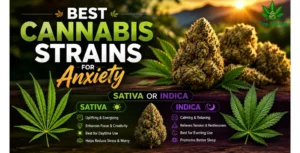
People searching for Best Cannabis Strains for Anxiety: Sativa or Indica? often expect a simple answer. However, research does not establish that all sativa products produce one psychological effect while all indica products produce another.The traditional labels can be useful for describing cannabis products, but they do not fully explain the chemical composition of a particular product. Two products carrying the same strain label may have substantially different cannabinoid concentrations.
THC deserves particular attention because higher doses can cause anxiety, nervousness, paranoia, or other uncomfortable psychological effects in some individuals. CBD has also been investigated for potential effects on anxiety, but research is still developing.
When considering cannabis and anxiety, people should look beyond strain names and consider:
- THC concentration
- CBD concentration
- Dose
- Previous cannabis experience
- Individual sensitivity
- Frequency of consumption
- Consumption method
- Existing mental-health conditions
- Other medications or substances
Research therefore does not support one universally “best” cannabis strain for anxiety. Individual responses can vary considerably.
What Is Social Cannabis and How Does It Affect Social Life?
What Is Social Cannabis and How Does It Affect Social Life? Social cannabis generally refers to cannabis consumption that occurs during social activities, such as gatherings, parties, concerts, dinners, or time spent with friends.
For some people, cannabis becomes associated with relaxation and social interaction. They may consume it while listening to music, eating, watching movies, or talking with friends.However, cannabis can affect people differently. One person may feel relaxed and engaged, while another may experience anxiety, altered perception, impaired attention, or difficulty following conversations.
The social consequences can also depend on frequency.
Cannabis Can Influence Social Routines In Several Ways
- It can become associated with particular friends or activities.
- Some people may use it to feel more comfortable in social situations.
- Others may experience increased anxiety after consuming THC.
- Frequent use may reduce time spent on other hobbies.
- Different cannabis preferences can create disagreements among friends.
- Intoxication can affect communication and decision-making.
The important consideration is whether cannabis remains an optional part of social life or becomes something a person feels they need in order to socialize.
Read:More:Cannabis and Relationships: How Cannabis Can Affect Couples
Cannabis and Relationships: How Cannabis Can Affect Couples
Cannabis and Relationships: How Cannabis Can Affect Couples is another area where individual circumstances matter.Couples can have very different cannabis habits. Both partners may use cannabis, only one partner may use it, or both may use it at different frequencies.
Research examining couples has found that differences in marijuana-use patterns can be associated with relationship functioning. At the same time, other studies have found that couples who use cannabis together may report particular positive experiences in some circumstances.
These findings demonstrate that cannabis does not have one predictable effect on every relationship.
| Relationship factor | How cannabis may interact |
| Shared use | Partners may incorporate cannabis into recreational activities |
| Different use patterns | Differences may create disagreements |
| Communication | Couples may need clear expectations around consumption |
| Finances | Regular purchases can affect household spending |
| Responsibilities | Problems may arise if use interferes with shared duties |
| Intimacy | Some couples associate cannabis with relaxation |
| Conflict | Intoxication or differing expectations can complicate disagreements |
Couples can reduce misunderstandings by discussing frequency, spending, responsibilities, acceptable situations, and personal boundaries.
The Role of Cannabis in Work-Life Balance
Work-life balance involves managing employment, family responsibilities, relationships, exercise, personal interests, and adequate rest. For some people, cannabis may become part of an evening or recreational routine. However, the effects of cannabis on attention, decision-making, memory, and coordination can be relevant when consumption overlaps with work or other responsibilities. Research from the CDC on cannabis and brain health notes that recent cannabis use can affect attention, memory, coordination, movement, and decision-making.
Cannabis, Work, and Daily Responsibilities
Some people may use cannabis after completing their workday as a way to relax. The potential concern arises when cannabis use begins to interfere with employment, household responsibilities, relationships, or other important activities.
Workplace research from the CDC’s NIOSH on cannabis and work reports that cannabis can be associated with effects such as sedation, disorientation, impaired judgment, reduced concentration, and slower fine-motor skills. These effects may be particularly important in jobs that require sustained attention, rapid decisions, physical coordination, or operating machinery.
However, research on cannabis and workplace performance remains an evolving area. The effects can vary according to factors such as THC concentration, amount consumed, frequency of use, individual response, and the timing of consumption.
When Cannabis Can Affect a Daily Routine
A person’s routine may change when cannabis consumption becomes more frequent or begins taking priority over other activities. For example, occasional evening use may develop into more frequent consumption, potentially changing how someone manages sleep, exercise, social activities, or family responsibilities.
The CDC’s research on cannabis use disorder identifies continuing to use cannabis despite problems at home, school, or work and giving up important activities with friends or family as potential signs of cannabis use disorder.
This does not mean that every person who uses cannabis will experience these problems. Instead, these signs can provide useful indicators for evaluating whether cannabis has started to interfere with everyday responsibilities.
Building a Balanced Routine
Maintaining a variety of activities can help prevent any single activity from dominating a person’s daily schedule. A balanced routine may include:
- Regular exercise and physical activity
- Social activities with friends and family
- Hobbies and recreational interests
- Meditation or other relaxation practices
- Consistent sleep
- Time with family
- Outdoor activities
- Nutritious meals
- Work and professional responsibilities
Cannabis may be one part of a person’s routine, but it is important to consider how its use fits alongside these other areas.
Questions to Consider
People who regularly use cannabis can periodically evaluate how it fits into their lifestyle. Useful questions include:
- Does cannabis affect my concentration or attention during work?
- Does my consumption interfere with my normal sleep schedule?
- Am I missing hobbies, exercise, or social activities because of cannabis use?
- Does cannabis interfere with family or household responsibilities?
- Can I comfortably choose not to use cannabis?
- Am I relying on cannabis as my primary way of managing workplace stress?
- Have I continued using cannabis despite problems at work, home, or in relationships?
These questions do not diagnose a cannabis-related condition, but they can help someone recognize changes in their routine. According to the CDC’s information on cannabis use disorder, difficulty controlling use, cravings, unsuccessful attempts to stop, and continued use despite social, physical, or psychological problems are among the recognized signs.
Finding Multiple Ways to Manage Stress
Workplace stress can affect sleep, mood, relationships, and physical health. Using several strategies rather than relying on one method may provide greater flexibility in managing everyday stress.
Exercise, adequate sleep, time outdoors, hobbies, social connection, relaxation techniques, and healthy meals can all form part of a broader self-care routine. If stress, anxiety, sleep problems, or other symptoms persist, speaking with a qualified healthcare professional can help identify appropriate strategies.
Ultimately, cannabis and work-life balance can intersect differently for different people. The key consideration is whether cannabis remains compatible with work, relationships, health, recreation, and personal responsibilities—or whether its use begins to interfere with those areas of daily life.outine or has become a dominant part of daily life.
Read:More:Cannabis Therapy for Chronic Pain: Benefits & What to Know
Cannabis and Mental Health: What Research Says
Cannabis and Mental Health: What Research Says requires careful interpretation because the relationship is complex.People sometimes use cannabis because they already experience anxiety, stress, depression, sleep difficulties, or other symptoms. Consequently, researchers cannot always determine whether cannabis contributed to a mental-health outcome or whether an existing condition influenced cannabis use.
Research has identified associations between cannabis use and several mental-health outcomes, but these associations do not automatically demonstrate causation.THC can produce temporary anxiety or paranoia in some individuals, particularly at higher doses. People who are sensitive to THC may therefore experience effects that differ substantially from those of other users.
Researchers have also investigated whether cannabinoids could have therapeutic applications for certain conditions. Results vary depending on the cannabinoid, dose, condition, and study design.People should therefore avoid assuming that cannabis can replace established mental-health treatment.
Factors That Matter for Mental Health
- THC potency
- Frequency of consumption
- Age at first use
- Personal and family history
- Existing mental-health symptoms
- Other drugs or medications
- Amount consumed
- Individual sensitivity
Anyone experiencing persistent anxiety, depression, paranoia, hallucinations, or other concerning psychological symptoms should seek professional medical advice.
How Cannabis Can Fit Into a Daily Routine
The way cannabis interacts with daily life often depends on why, when, how much, and how frequently a person uses it.Occasional cannabis use may create a different pattern from frequent daily consumption. Likewise, low-THC and high-THC products can produce different experiences.
A simple self-assessment can help people understand their routine:
1. Look at Sleep
Ask whether cannabis is genuinely improving your sleep routine or whether you have become dependent on it to fall asleep.
2. Consider Exercise
Think about whether cannabis affects coordination, motivation, reaction time, or safety during physical activity.
3. Review Work
Make sure cannabis use does not interfere with concentration, punctuality, productivity, or professional responsibilities.
4. Evaluate Relationships
Consider whether cannabis creates communication problems, financial disagreements, or conflicts over household responsibilities.
5. Maintain Social Variety
A healthy social routine should not depend entirely on cannabis-related activities.
6. Monitor Mental Health
Pay attention to whether cannabis appears to worsen anxiety, paranoia, mood changes, or other psychological symptoms.
7. Maintain Flexibility
Being able to choose whether or not to use cannabis is an important part of maintaining control over a routine.
Read:More:Cannabis and Couples: A New Love Language?
Final Thoughts
Cannabis can interact with sleep, exercise, social life, relationships, work, and mental health in complicated ways. Research does not support a single explanation that applies to every person.Some people report relaxation or subjective sleep benefits, while others experience anxiety, impaired coordination, sleep disruption, or difficulties associated with frequent use. The effects can depend on THC potency, CBD content, dose, frequency, timing, individual characteristics, and the context in which cannabis is consumed.
The most useful approach is therefore to look beyond simple labels such as “sativa” or “indica” and examine the complete pattern of use.A balanced lifestyle includes adequate sleep, regular physical activity, meaningful relationships, work responsibilities, social connection, and time for relaxation. Cannabis may be one element of some people’s routines, but recognizing how it interacts with these other areas can help people make more informed choices about their everyday lives.