
Cannabis and mental wellness have become important topics in modern health research. As cannabis use becomes more widely discussed, researchers are investigating how cannabis affects mental health, emotional well-being, memory, sleep, and daily functioning. Some people use cannabis to manage stress, anxiety, or sleep difficulties, while others may experience unwanted psychological effects.
Cannabis contains several active compounds, particularly delta-9-tetrahydrocannabinol (THC) and cannabidiol (CBD). THC is responsible for the intoxicating effects of cannabis, whereas CBD does not produce the same type of high. The effects of cannabis on mental health depend on several factors, including THC potency, frequency of use, age, dosage, and individual vulnerability.
Research suggests that cannabis may provide temporary symptom relief for some people, but scientific evidence supporting cannabis as a long-term treatment for most mental health conditions remains limited. Understanding the relationship between cannabis and mental wellness can help people make informed decisions about their health.
How Does Cannabis Affect the Brain?
Cannabis interacts with the body’s endocannabinoid system, which helps regulate mood, memory, appetite, stress responses, and other biological processes. THC activates cannabinoid receptors in the brain, influencing perception, attention, coordination, and emotional responses.
Some people experience relaxation after consuming cannabis, while others experience anxiety, paranoia, confusion, or impaired concentration. These different reactions demonstrate why cannabis mental health effects can vary significantly between individuals.
According to the National Institute on Drug Abuse, cannabis use can affect memory, learning, attention, and other cognitive functions.
Factors that influence the effects of cannabis include:
- THC potency: High-THC cannabis products may increase the risk of anxiety, impairment, and other adverse effects.
- Frequency of cannabis use: Daily cannabis use may increase the risk of dependence and other health problems.
- Age of first use: Adolescents and young adults may be particularly vulnerable to adverse effects.
- Individual mental health: A personal or family history of certain psychiatric disorders may increase vulnerability.
- Method of consumption: Smoking, vaping, and cannabis edibles produce different patterns of onset and duration.
These factors are essential when examining the relationship between cannabis use, psychological health, and overall well-being.
Read More: Cannabis and Work: Productivity, Policies & Responsible Use
Does Cannabis Improve Mental Wellness?
Many people believe cannabis can improve mental wellness by reducing stress, promoting relaxation, or helping them sleep. However, personal experiences do not necessarily establish that cannabis is an effective treatment for a diagnosed mental health condition.
Research on medical cannabis and mental health remains mixed. A systematic review published in The Lancet Psychiatry in 2019 examined cannabinoids for several mental disorders, including anxiety, depression, PTSD, and psychotic disorders. The researchers concluded that evidence supporting cannabinoids as treatments for most mental health conditions was limited.
Scientists continue to investigate whether specific cannabinoids, formulations, and doses may offer therapeutic benefits. However, findings from one product cannot automatically be applied to every cannabis or CBD product.
The current evidence suggests that cannabis should not be considered a proven first-line treatment for most psychiatric conditions. People experiencing persistent mental health symptoms should consult a qualified healthcare professional about evidence-based treatment options.
Cannabis and Anxiety: Can Daily Use Make Symptoms Worse?
The relationship between cannabis and anxiety is complicated. Some people report feeling relaxed after using cannabis, but THC can also trigger anxiety, panic, racing thoughts, or paranoia.
The effects may depend on THC concentration, the amount consumed, previous experience, and individual sensitivity. High-THC products may be particularly uncomfortable for people who are already prone to anxiety.
Daily cannabis use may also become a coping strategy for managing stress. Although a person might experience temporary relief, relying on cannabis as the primary response to anxiety can make it harder to identify underlying problems and develop other coping skills.
Researchers must also consider that people with existing anxiety may be more likely to use cannabis. Consequently, an association between cannabis use and anxiety does not automatically prove that cannabis caused the condition.
Anyone experiencing persistent anxiety should consider evidence-based options such as cognitive behavioral therapy, appropriate medical treatment, regular exercise, and healthy sleep routines.
Read More: Cannabis and Sexual Intimacy: What Research Shows
Cannabis and Depression: What Does Research Say?
Cannabis and depression are frequently discussed together because some people use cannabis when they feel sad, emotionally overwhelmed, or unmotivated. However, current research does not establish cannabis as a reliable long-term treatment for major depressive disorder.
The relationship between cannabis use and depression may involve several factors:
- People experiencing depression may use cannabis to cope with difficult emotions.
- Frequent cannabis use may interfere with relationships, work, education, or everyday routines.
- Cannabis withdrawal may cause irritability, sleep disturbances, and temporary mood changes.
- Other factors, including stress, alcohol use, and existing health conditions, may influence both cannabis use and depression.
The Centers for Disease Control and Prevention (CDC) discusses associations between cannabis use and mental health concerns, including depression and anxiety.
Understanding these potential relationships is important for anyone researching cannabis and psychological health. Persistent sadness, hopelessness, or loss of interest in everyday activities should be discussed with a qualified mental health professional.
What Are the 5 Ways Daily Cannabis Use Can Affect Your Mind and Body?
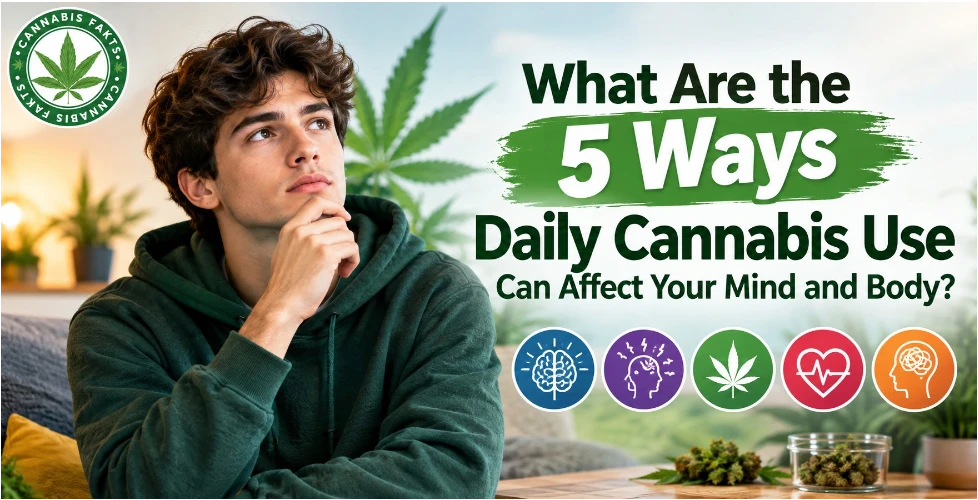
The effects of daily cannabis use on the mind and body vary depending on THC potency, consumption patterns, and individual health. However, scientific research identifies five important areas of concern.
1. Memory, Attention, and Cognitive Function
One of the most recognized effects of cannabis on the brain is temporary impairment of memory, attention, judgment, and learning while intoxicated.
THC affects brain processes involved in information processing and short-term memory. These effects can interfere with studying, working, driving, and completing tasks that require concentration.
Frequent or heavy cannabis use has also been associated with cognitive difficulties in research studies, although the persistence and extent of these effects vary.
Important considerations include:
- Short-term memory may be impaired during intoxication.
- Attention and reaction time can be reduced.
- Learning and information processing may become more difficult.
- Adolescents and young adults may face additional developmental concerns.
These findings make cognitive function an important consideration when evaluating the long-term effects of cannabis use.
Read More: Best Cannabis Strains for Anxiety: Sativa or Indica?
2. Anxiety, Paranoia, and Emotional Changes
Although some people use cannabis for relaxation, THC may increase anxiety or paranoia, especially at higher doses.
Potential cannabis and anxiety symptoms include racing thoughts, panic, nervousness, and discomfort in social situations. The likelihood of these effects varies between individuals and products.
Daily cannabis use may also create a pattern in which a person repeatedly uses cannabis to manage stress without addressing the underlying causes. Monitoring changes in mood and emotional well-being can help identify whether cannabis use is contributing to psychological difficulties.
3. Cannabis Dependence and Cannabis Use Disorder
Frequent cannabis consumption can increase the risk of cannabis use disorder (CUD). This condition involves difficulty controlling cannabis use despite negative consequences.
Possible warning signs include:
- Strong cravings for cannabis.
- Difficulty reducing or stopping use.
- Consuming more cannabis than intended.
- Continuing use despite problems at work or in relationships.
- Giving up important activities because of cannabis.
- Experiencing withdrawal symptoms after stopping.
Not everyone who uses cannabis daily develops cannabis use disorder, but frequent use is an important risk factor. Recognizing these symptoms can help people seek appropriate support.
4. Physical Health, Coordination, and Sleep
The physical and mental effects of cannabis extend beyond mood and memory. THC can increase heart rate and temporarily impair balance, coordination, reaction time, and judgment.
Smoking cannabis exposes the lungs to harmful smoke, while vaping and edible products present different risks. Cannabis edibles may take longer to produce noticeable effects, increasing the risk of consuming more than intended.
Cannabis may also influence sleep patterns. Some users report falling asleep more easily, but cannabis is not a universally effective long-term solution for insomnia. Regular use and withdrawal can affect sleep quality and nighttime routines.
Read More: Cannabis and Relationships: How Cannabis Can Affect Couples
5. Psychosis Risk and Vulnerable Individuals
One of the most serious concerns in research on cannabis and mental health is the association between cannabis use and psychosis.
Psychosis can involve hallucinations, delusions, severe paranoia, or difficulty distinguishing reality from perception. Frequent cannabis use, especially involving high-THC products, is associated with a higher risk of psychotic outcomes.
Risk may be greater among people who begin using cannabis at a younger age or have a personal or family history of psychotic disorders.
A 2025 systematic review examined research on high-concentration THC products and reported concerning associations with psychosis, schizophrenia, and cannabis use disorder in non-therapeutic studies. These findings describe associations across studies and do not establish an individual’s personal risk.
Table 1: Five Effects of Daily Cannabis Use on Mental and Physical Health
| Health area | Potential effects | Relevant SEO keyword |
| Memory and attention | Impaired short-term memory and concentration | Effects of cannabis on the brain |
| Mood and emotions | Anxiety, panic, or paranoia | Cannabis and anxiety |
| Dependence | Cravings and difficulty stopping | Cannabis use disorder |
| Physical health | Impaired coordination and respiratory harm from smoking | Physical effects of cannabis |
| Psychological health | Increased psychosis risk in vulnerable individuals | Cannabis and mental health |
THC vs. CBD: Which Is More Relevant to Mental Wellness?
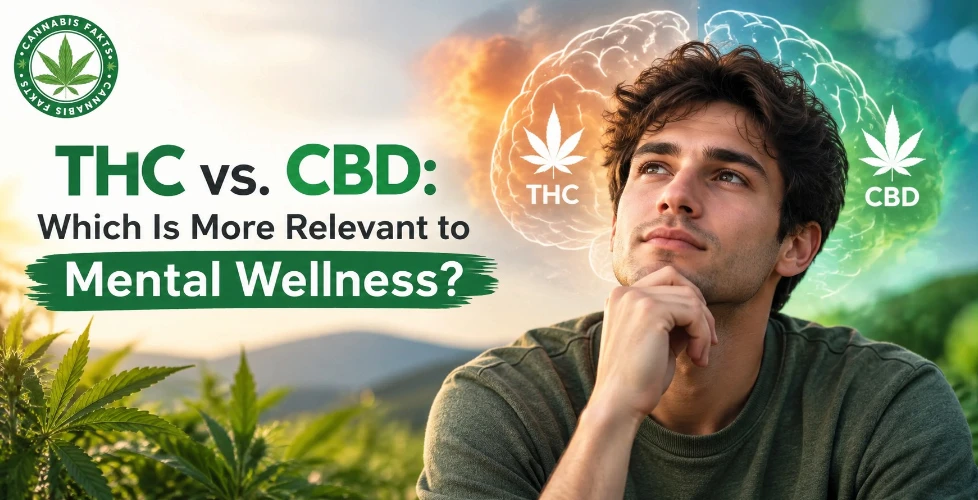
CBD is a cannabinoid found in cannabis that does not produce the same intoxicating high and is being studied for its potential therapeutic benefits, including its possible effects on mood, stress, and overall mental wellness.
However, CBD and mental health research is still developing. Some studies suggest that specific CBD formulations may help with certain symptoms, but the evidence remains insufficient to establish CBD as a universal treatment for anxiety, depression, or other psychiatric conditions.
Table 2: THC vs. CBD and Mental Health
| Feature | THC | CBD |
| Intoxicating effect | Produces a high | Does not produce the same intoxicating high |
| Anxiety effects | May increase anxiety at higher doses | Potential benefits remain under investigation |
| Cognitive effects | Can impair attention and memory during intoxication | Does not have the same typical intoxicating effects |
| Mental health evidence | Associated with psychosis risk and cannabis use disorder | Evidence for most psychiatric treatments remains limited |
| Main consideration | Dose, potency, impairment, and dependence | Product quality, medication interactions, and evidence limitations |
Consumers should not assume that every CBD product is free of THC or has predictable effects. CBD can interact with medications, and product quality may vary.
Read More: The Role of Cannabis in Work-Life Balance
How to Support Mental Wellness Without Relying on Cannabis
People looking to improve mental wellness and emotional health can consider approaches supported by established health research.
Helpful strategies include:
- Regular physical activity: Exercise supports general health and may improve mood.
- Healthy sleep habits: Consistent sleep and wake times can help regulate sleep routines.
- Stress management: Relaxation exercises, mindfulness, and structured breaks can support coping skills.
- Social connection: Trusted friends, family members, and support networks can help reduce isolation.
- Professional treatment: Psychotherapy and appropriate medical care can address persistent mental health symptoms.
People who use cannabis frequently can monitor whether it affects their sleep, motivation, concentration, relationships, and emotional well-being. Those who struggle to reduce their use should consider seeking professional assistance.
The Bottom Line: Cannabis and Mental Wellness
Research on cannabis and mental wellness presents a complex picture. Some people report temporary symptom relief, but scientific evidence does not establish cannabis as a dependable long-term treatment for most mental health conditions.
Daily cannabis use deserves particular attention because frequency of use, THC potency, age of initiation, and individual vulnerability can influence health outcomes. Potential concerns include memory impairment, anxiety, cannabis use disorder, respiratory harm from smoking, and increased psychosis risk in susceptible individuals.
Rather than assuming cannabis is either entirely beneficial or entirely harmful, people should consider how it affects their individual health, daily functioning, and quality of life.
Anyone experiencing severe paranoia, hallucinations, worsening mental health symptoms, or difficulty controlling cannabis use should seek professional support.