
Dating norms are changing fast—and marijuana use is no longer the red flag it once was. According to recent survey data and scientific research, cannabis is increasingly viewed as neutral or even positive in romantic relationships, especially among younger generations. For many Americans, marijuana has quietly shifted from a taboo topic to a normalized lifestyle choice.
But what’s driving this shift, and how does marijuana use really impact dating, intimacy, and long-term relationships? Let’s break it down.
What Is Marijuana?
Marijuana—also commonly called cannabis—is a plant that has been used for centuries for medicinal, recreational, and industrial purposes. It comes from the Cannabis sativa or Cannabis indica species and contains naturally occurring compounds known as cannabinoids, which interact with the body’s endocannabinoid system.
The two most well-known cannabinoids are:
- THC (tetrahydrocannabinol): The primary psychoactive compound responsible for the “high”
- CBD (cannabidiol): A non-intoxicating compound often used for wellness and therapeutic purposes
The effects of marijuana can vary depending on the strain, dosage, method of use, and individual tolerance.
Read More: How to Make Delicious Marijuana Peanut Butter Cookies at Home
How Does Marijuana Work in Our Body?
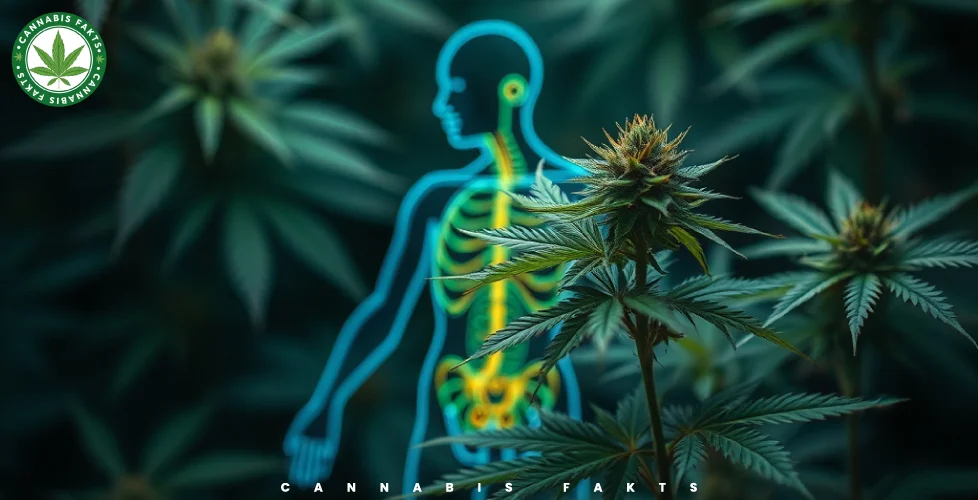
Marijuana works by interacting with a natural regulatory network in the human body known as the endocannabinoid system (ECS). This system plays a key role in maintaining balance—also called homeostasis—across many physical and mental processes, including mood, sleep, appetite, pain, and memory.
The Role of the Endocannabinoid System (ECS)
The endocannabinoid system is made up of three main components:
- Endocannabinoids: Naturally produced compounds in the body that resemble cannabinoids found in marijuana
- Cannabinoid receptors: Primarily CB1 and CB2 receptors found throughout the brain, nervous system, and immune system
- Enzymes: Responsible for breaking down endocannabinoids once they’ve done their job
This system helps regulate how the body responds to stress, inflammation, and other internal changes.
How Many People Use Marijuana Today?
Marijuana use is widespread in the U.S., which helps explain its growing acceptance in dating culture.
A new survey by Drug Rehab USA, which questioned 1,000 adults with recent dating experience, found that:
- Only 1 in 4 people consider marijuana use a dating red flag
- Four in five millennials don’t mind if their partner uses cannabis
- Seven in ten Gen Z adults feel the same
Daily cannabis use is also common:
- 22 percent of daters say their partner uses marijuana daily
- Among Gen Z couples, that number rises to 35 percent
With usage this prevalent, marijuana is increasingly seen as part of everyday life rather than a relationship risk.
Why Do People Use Marijuana?
People use marijuana for a variety of reasons, many of which go beyond recreation. Common motivations include:
- Stress relief and relaxation
- Improved sleep
- Pain management
- Enhanced intimacy or emotional connection
- Increased creativity or focus
In romantic relationships, some couples report that cannabis helps them feel more relaxed, present, and emotionally open—factors that can strengthen bonding.
Read More: What is Male Cannabis Plants How to Identify
Marijuana Use Isn’t the Biggest Dating Turn-Off
When compared with other substances, marijuana ranks relatively low as a dating concern.
The same survey found:
- 38 percent see cigarette smoking as a red flag
- 73 percent view high-risk illicit drug use as a dealbreaker
- 60 percent are concerned about prescription drug misuse
Alcohol was the only substance viewed more favorably than marijuana, with just 22 percent considering drinking a red flag.
How Different Methods of Using Marijuana Affect the Body
How marijuana is consumed affects onset, duration, and overall experience. Here’s a comparison of common methods:
| Method of Use | Onset Time | Duration | Notes |
| Smoking/Vaping | Minutes | 1–3 hours | Effects are felt within minutes but may wear off sooner |
| Edibles | 30–90 minutes | 4–8 hours | Effects take longer to start but last longer and may feel stronger |
| Oils/Tinctures | 15–45 minutes | 3–6 hours | Offer more controlled dosing and moderate onset times |
| Topicals | 10–30 minutes | Localized, few hours | Affect localized areas without producing a “high” |
How to Use Marijuana Responsibly in Relationships
How marijuana is used often matters more than whether it’s used at all. Responsible cannabis use typically includes:
- Moderate dosing
- Clear communication with a partner
- Avoiding dependence
- Respecting boundaries and preferences
Despite rising acceptance, stigma still exists. Only 13 percent of survey respondents said they would include a photo of themselves smoking marijuana on a dating profile—suggesting many users still choose discretion.
Can Cannabis Improve Relationship Intimacy?
For some couples, cannabis use appears to enhance closeness.
- 24 percent of respondents said substance use improved intimacy, making relationships feel more relaxed or passionate
- 68 percent said their relationship would not be stronger if their partner stopped using marijuana
- 10 percent believed quitting could actually cause emotional distance
Survey analysts concluded that cannabis is increasingly viewed as “socially connective” rather than disruptive in modern relationships.
Marijuana and Sexual Satisfaction: What Research Shows
Scientific research supports many of these real-world experiences.
Recent studies have found that marijuana use may be linked to:
- Increased sexual desire and arousal
- Lower sexual distress
- Improved sensitivity and satisfaction
A 2024 scientific review found cannabis may help improve symptoms of female orgasmic disorder. Another study reported that marijuana enhanced sexual enjoyment more consistently than alcohol, which tends to “facilitate” sex but not deepen satisfaction.
Read More: Easy Vegan Cannabis Edible Recipes to Try at Home
Marijuana Use in Teens: A Different Conversation
While adult cannabis use is increasingly accepted, marijuana use in teens remains a public health concern.
Adolescents’ brains are still developing, and early cannabis exposure has been linked to:
- Impaired memory and attention
- Increased risk of anxiety or mood disorders
- Lower academic performance
Most health experts emphasize that teen marijuana use should be approached very differently than adult use, with education, prevention, and parental guidance playing key roles.
Long-Term Effects of Marijuana Use
The long-term effects of marijuana use can vary widely depending on frequency, dosage, and age of first use.
Potential long-term effects include:
- Tolerance or dependence in heavy users
- Respiratory irritation from smoking
- Cognitive effects with frequent, high-dose use
- Possible mental health impacts in vulnerable individuals
Research also suggests that lower doses may offer benefits—especially for intimacy—while higher doses could reduce desire or performance.
How Long Marijuana Stays Active in the Body
Once consumed, cannabinoids are metabolized in the liver and stored temporarily in fat cells. Factors that influence how long marijuana remains active include:
- Frequency of use
- Dosage
- Body fat percentage
- Individual metabolism
Effects may last from a few hours to an entire day, while trace amounts can remain in the body longer.
How to Stop Using Marijuana If It Becomes a Problem
Although most people don’t see cannabis as harmful to their relationships, some individuals may decide to cut back or quit.
Common reasons include:
- Feeling dependent
- Mental health concerns
- Relationship boundaries
- Career or lifestyle goals
Strategies to stop using marijuana may include:
- Gradual reduction
- Behavioral therapy
- Support groups
- Professional counseling
Importantly, 68 percent of surveyed daters said quitting marijuana wouldn’t necessarily strengthen their relationship—highlighting that the impact is highly personal.
FAQs: What You Should Know
1. Is marijuana addictive?
Marijuana can be habit-forming for some people, especially with frequent or high-dose use. However, the risk of addiction is generally lower than with many other substances.
2. Does marijuana affect mental health?
Marijuana may help some people relax, but heavy or long-term use can worsen anxiety or trigger mental health issues in vulnerable individuals.
3. Can marijuana improve sleep?
Many users report better sleep with marijuana, particularly strains high in CBD. That said, regular use may reduce sleep quality over time for some people.
4. Is marijuana safe for daily use?
Daily use may be safe for some adults, but it can increase the risk of dependence and cognitive effects if not used mindfully.
5. How long do marijuana effects last?
Effects typically last 2–6 hours depending on dose and method of use. Edibles can last longer than smoking or vaping.
6. Can marijuana improve intimacy and sexual experience?
Some studies suggest marijuana may increase relaxation, sensitivity, and desire at lower doses. Higher doses, however, may reduce performance.
7. Is marijuana legal everywhere?
No, marijuana laws vary widely by country and region. Always check local regulations before using or possessing cannabis.
Final Thoughts: Marijuana and Modern Relationships
Marijuana is no longer a dating red flag—most adults, particularly millennials and Gen Z, view it as neutral or even positive. Responsible cannabis use can help couples relax, enhance intimacy, and strengthen emotional connection. Understanding how marijuana affects the body, along with potential side effects and long-term impacts, is essential. Legal considerations also play a key role, as state and federal laws can differ. Being informed helps couples make safe and thoughtful choices.
For modern relationships, open communication about cannabis use is vital. Mindful use ensures both partners can enjoy the benefits without compromising health or trust. 🌿