
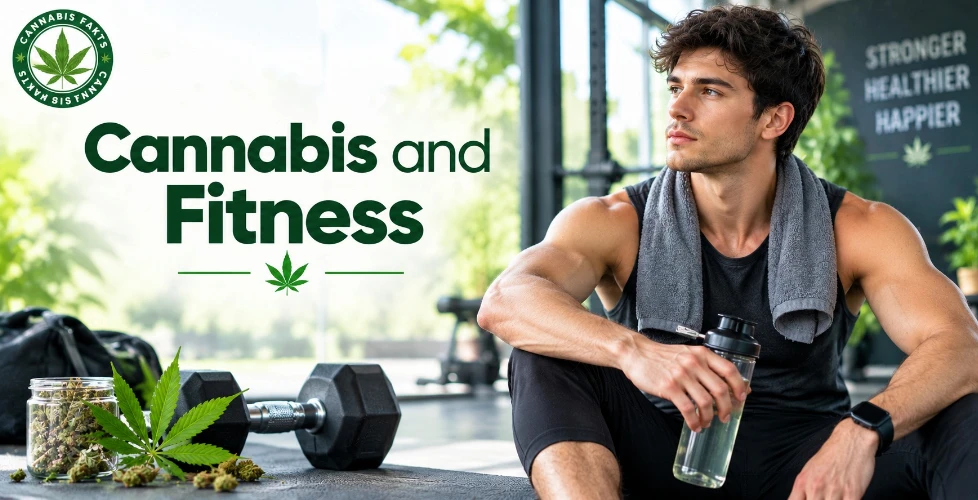
The relationship between cannabis and fitness has attracted increasing attention as athletes, gym enthusiasts, and wellness-conscious individuals explore different approaches to exercise recovery, pain management, sleep, and physical performance. Cannabinoids such as cannabidiol (CBD) and tetrahydrocannabinol (THC) are frequently discussed for their potential effects on the body. However, scientific evidence supporting their benefits for exercise and athletic performance remains limited.
Some individuals report that cannabis-derived products help them manage discomfort, relax after workouts, or improve their sleep routines. Researchers are investigating these experiences to determine whether they translate into measurable health benefits. Understanding the difference between personal experiences and scientifically established findings is essential when evaluating CBD for muscle recovery, cannabis for workout recovery, and THC and athletic performance.
This guide explores the science behind cannabis and exercise, its potential benefits, associated risks, and practical considerations for people interested in maintaining a healthy fitness routine.
The Science Behind Cannabis and Fitness
Cannabis contains numerous chemical compounds, including cannabinoids, terpenes, and other plant substances. THC and CBD are two of the most widely studied cannabinoids because they interact with the body’s endocannabinoid system (ECS).
The ECS is a biological signaling network that helps regulate several physiological processes, including pain perception, mood, appetite, sleep, and immune responses. THC interacts with cannabinoid receptors, particularly CB1 receptors in the brain and central nervous system, producing psychoactive effects. CBD does not cause the same intoxicating effects and interacts with biological systems through more complex mechanisms.
These interactions have led researchers to investigate whether cannabinoids can influence exercise-related soreness, inflammation, sleep, and recovery. Nevertheless, the fact that a compound affects a biological pathway does not automatically mean it improves athletic performance.
Research into cannabis and exercise performance is still developing. Although some findings are promising in specific areas of medicine, stronger human studies are needed before cannabis can be recommended as an effective recovery or performance-enhancement strategy.
1. Cannabis for Workout Recovery and Muscle Soreness
Muscle soreness is common after challenging workouts, particularly when exercising with unfamiliar movements or performing eccentric exercises. Known as delayed-onset muscle soreness (DOMS), this discomfort typically develops within 12–24 hours after exercise and may peak over the following 24–72 hours.
Because soreness can interfere with training consistency, some fitness enthusiasts explore cannabis-derived products as potential recovery aids.
Can CBD Help With Muscle Recovery?
Interest in CBD for muscle recovery has increased because researchers are studying its potential effects on pain perception and inflammatory pathways. Preliminary laboratory and animal research suggests that CBD may influence biological processes associated with inflammation. However, evidence from human studies specifically examining post-workout soreness and muscle repair remains limited.
CBD has not been established as a reliable treatment for DOMS, nor is there sufficient evidence that it accelerates muscle regeneration after resistance training. It is also important to distinguish pain relief from actual recovery. Feeling less sore does not necessarily mean that muscle tissue has repaired faster or that strength has returned to normal.
Established recovery strategies remain more dependable for most athletes and gym enthusiasts. These include:
- Getting adequate sleep each night
- Consuming sufficient protein to support muscle repair
- Staying hydrated before, during, and after exercise
- Allowing appropriate rest between demanding training sessions
- Increasing training intensity and volume gradually
- Following a balanced diet that meets individual energy needs
THC and Post-Workout Pain
THC has pain-relieving properties in certain medical contexts, but its effectiveness for ordinary exercise-induced muscle soreness has not been established. Furthermore, THC can impair coordination, attention, reaction time, and judgment. These effects can increase the risk of injury when performing weightlifting exercises, cycling, or other activities requiring balance and concentration.
Cannabis for workout recovery remains an area of investigation. Current evidence does not establish THC or CBD as a proven method for accelerating muscle repair or consistently reducing exercise-induced soreness.
2. Cannabis, Exercise Motivation, and Athletic Performance
Some people report feeling more relaxed or enjoying physical activity more after using cannabis. These experiences have contributed to discussions about cannabis and exercise, particularly among individuals participating in recreational walking, yoga, cycling, and running. However, enjoying a workout and improving measurable athletic performance are different outcomes.
Does Cannabis Improve Workout Focus?
THC can temporarily change mood and perception, but it may also interfere with concentration, decision-making, and motor control. These effects can make exercise less safe, particularly during demanding or technically complex activities.
CBD does not produce the same intoxicating effects as THC, but current evidence is insufficient to conclude that CBD consistently improves workout motivation, mental focus, endurance, or strength. People experiencing pre-workout anxiety may benefit from structured warm-ups, breathing exercises, realistic training goals, and consistent exercise schedules.
Cannabis and Exercise Performance
Scientific research does not establish cannabis as a reliable performance-enhancing substance. THC may impair coordination and increase heart rate, potentially affecting activities that require sustained cardiovascular effort or precise movements.
Athletes should also understand the regulations governing cannabis use in competitive sports. Under the World Anti-Doping Agency’s 2026 Prohibited List, THC is prohibited in competition, while cannabidiol is an exception. Athletes should verify the current rules applicable to their sport and competition.
There is insufficient evidence that cannabis improves strength, endurance, reaction time, or overall athletic performance.
3. Cannabis, Sleep Quality, and Muscle Recovery
Sleep is essential for physical recovery, muscle repair, and adaptation to exercise. Poor sleep can contribute to fatigue, reduced concentration, and difficulty maintaining a consistent training schedule. Consequently, CBD and sleep quality have become important topics for fitness enthusiasts interested in improving recovery.
Can Cannabis Improve Sleep?
Some people report that cannabis helps them relax or fall asleep. THC may reduce the time needed to fall asleep in certain circumstances, but its effects vary according to dosage, frequency of use, and individual characteristics.
Regular THC use can lead to tolerance, meaning that the same amount may produce less of an effect over time. Stopping after frequent use may also cause temporary sleep disturbances.
Research on CBD for sleep is mixed. Some studies have examined its potential effects on anxiety and sleep-related symptoms, but evidence does not establish CBD as a consistently effective treatment for insomnia. Cannabis may also influence sleep architecture, including aspects of REM sleep, although findings vary across studies.
Healthier Ways to Support Sleep
Before considering cannabis products, fitness enthusiasts can focus on established sleep habits:
- Maintain a consistent bedtime and wake-up schedule
- Create a dark, quiet, and comfortable sleeping environment
- Avoid caffeine late in the day if it interferes with sleep
- Allow sufficient time to relax after demanding workouts
- Limit late-night activities that interfere with sleep
- Seek professional advice if insomnia or persistent sleep problems develop
Cannabis can influence sleep, but its long-term effectiveness and consequences remain uncertain. Improving sleep habits is a more dependable starting point for supporting exercise recovery.
4. CBD for Inflammation and Exercise Recovery
Inflammation is part of the body’s natural response to physical activity. It helps coordinate tissue repair and adaptation following exercise. However, persistent inflammation associated with an injury or medical condition may require professional evaluation.
CBD has attracted scientific interest because laboratory and animal studies suggest that it may influence inflammatory signaling pathways. These findings provide a foundation for further research, but results from laboratory experiments cannot automatically be applied to exercising humans.
Can CBD Reduce Exercise-Induced Inflammation?
Searches for CBD for inflammation and CBD for muscle recovery often reflect interest in reducing discomfort after strenuous exercise. Although preliminary research has identified possible anti-inflammatory mechanisms, clinical evidence supporting CBD as a treatment for exercise-induced inflammation remains insufficient.
Inflammation is not always harmful. The body’s inflammatory response contributes to normal tissue repair and adaptation following training, and the long-term effects of routinely using cannabinoids around exercise are not fully understood. People experiencing severe pain, persistent swelling, restricted movement, or symptoms following an acute injury should seek medical assessment rather than relying exclusively on cannabis-derived products.
CBD is being studied for its potential anti-inflammatory effects, but it has not been established as a reliable way to prevent exercise-related inflammation or improve muscle growth.
5. Cannabis, Appetite, and Fitness Nutrition
Nutrition plays a central role in building muscle, improving endurance, and recovering from demanding exercise. The body requires sufficient energy, protein, carbohydrates, fats, vitamins, and minerals to support these processes.
THC can stimulate appetite in some individuals, producing the familiar effect often called the munchies. Appetite stimulation has been investigated in medical contexts, particularly for conditions associated with reduced appetite. For individuals who struggle to eat enough, this effect might appear beneficial. However, there is insufficient evidence to recommend cannabis as a nutritional strategy for healthy athletes.
Can Cannabis Help With Muscle Gain?
Muscle growth primarily depends on progressive resistance training, adequate protein intake, sufficient calories, and recovery. Cannabis does not independently provide these requirements. Increased appetite does not guarantee better nutrition, and THC-related appetite changes may encourage excessive snacking or consumption of foods that do not support individual nutritional goals.
Fitness enthusiasts can support muscle development by:
- Including protein-rich foods such as eggs, fish, dairy products, legumes, and lean meat
- Eating sufficient carbohydrates to support exercise demands
- Including healthy fats, vegetables, and fruits
- Planning meals and snacks around training schedules
- Adjusting calorie intake to match individual fitness goals
- Monitoring progress and adjusting nutrition when necessary
People experiencing persistent appetite problems should discuss potential causes and treatment options with a qualified healthcare professional.
THC-related appetite stimulation is a recognized effect, but cannabis is not an established muscle-building supplement.
6. Research Overview: Cannabis and Fitness Benefits
The table below summarizes the major areas of research into cannabis and exercise, including the potential benefits under investigation and the current limitations of scientific evidence.
| Area of Research | Potential Benefit Being Studied | Current Evidence | Important Considerations |
|---|---|---|---|
| CBD for muscle recovery | Reduced post-workout soreness | Limited and inconclusive | Pain relief does not necessarily indicate faster muscle repair. |
| Cannabis for pain management | Reduced perception of certain types of pain | Depends on the condition and cannabinoid | THC may impair coordination and judgment. |
| CBD for inflammation | Effects on inflammatory pathways | Preliminary findings; limited clinical evidence for exercise recovery | Laboratory results do not establish effectiveness in humans. |
| Cannabis and sleep quality | Changes in relaxation and sleep onset | Mixed and dependent on the product and individual | Frequent THC use may lead to tolerance and sleep disturbances. |
| THC and athletic performance | Changes in motivation or exercise experience | Insufficient evidence of improved performance | THC may impair reaction time, coordination, and attention. |
| Cannabis and appetite | Increased appetite with THC | Appetite stimulation is a recognized effect | Increased appetite does not guarantee better nutrition or muscle growth. |
Overall, research suggests that cannabinoids affect several biological processes relevant to exercise. However, more high-quality human clinical trials are needed to determine whether cannabis products provide meaningful and consistent benefits for fitness and recovery.
7. Potential Risks of Cannabis Before or After Exercise
Understanding the risks of cannabis and fitness is just as important as exploring potential benefits. Cannabis products differ in cannabinoid concentrations, formulations, purity, and duration of effects. Individual responses can also vary considerably.
Impaired coordination and reaction time
THC can impair balance, attention, judgment, and reaction time, raising the risk of falls, equipment-related accidents, and other injuries. Avoid swimming, road cycling, climbing, and operating exercise machinery while impaired.
Cardiovascular effects
THC can increase heart rate and affect blood pressure, which may be concerning during strenuous exercise, particularly with cardiovascular disease. Stop and seek medical attention for chest pain, faintness, or unusual shortness of breath.
Product quality
CBD products may contain inaccurate cannabinoid concentrations, contaminants, or undeclared THC.
Medication interactions
CBD can interact with certain prescription medicines, including medications processed by liver enzymes.
Method of use
Smoking cannabis exposes the respiratory system to combustion products. Vaping carries separate risks associated with inhaled substances and product quality, while edible products may have delayed onset and prolonged effects. Anyone taking prescription medication or considering cannabis for persistent pain or sleep problems should consult a healthcare professional before use.
- Do not exercise while impaired by THC
- Avoid combining cannabis with alcohol or other substances that can increase impairment
- Consult a healthcare professional about possible medication interactions
- Check product labeling and independent laboratory testing where available
- Seek medical attention for persistent pain or suspected exercise-related injuries
- Review relevant legal requirements and sports regulations before considering cannabis use
8. Responsible Considerations for Cannabis and Fitness
There is no universally established cannabis dosage for improving exercise performance or recovery. Research has not identified a standard cannabinoid regimen for healthy athletes, and product labels do not always provide reliable information about potency or purity.
If you are considering a cannabis-derived product for a medical reason, discuss its potential benefits, risks, interactions, and legal requirements with a qualified healthcare professional. Keep these considerations in mind:
- Define your goal. Managing a diagnosed medical condition differs from attempting to improve athletic performance.
- Evaluate scientific evidence. Be cautious about claims promising rapid muscle repair, guaranteed pain relief, or enhanced endurance.
- Consider medication interactions. CBD and THC can interact with certain prescription and over-the-counter medicines.
- Prioritize exercise safety. Avoid physical activities requiring coordination and sound judgment while impaired.
- Check product quality. Independent laboratory testing can help identify cannabinoid content and certain contaminants, but it cannot guarantee effectiveness or eliminate every risk.
- Understand applicable regulations. Cannabis laws and sporting requirements differ by jurisdiction and competition.
These precautions can help individuals make informed decisions while keeping their health and exercise safety at the center of their fitness routines.
Frequently Asked Questions (FAQs)
1. Does cannabis help with workout recovery?
Cannabis-derived products are being studied for their potential effects on pain, inflammation, and sleep. However, current evidence does not establish THC or CBD as reliable methods for accelerating muscle repair or reducing post-workout soreness. Proper nutrition, adequate sleep, hydration, and appropriate rest remain essential for recovery.
2. Can CBD improve muscle recovery and reduce inflammation?
CBD may influence biological pathways associated with inflammation, but evidence from human studies remains limited. It has not been established as a reliable treatment for exercise-induced muscle soreness or as a method for accelerating muscle regeneration. Consult a healthcare professional before using CBD, particularly if you take medication.
3. Is it safe to use cannabis before exercising?
Using cannabis before exercise can introduce safety risks, particularly when the product contains THC. THC may impair coordination, judgment, reaction time, and balance, increasing the risk of injury. It can also affect heart rate and blood pressure. Avoid exercising while intoxicated, especially during activities requiring concentration or cardiovascular exertion.
Conclusion: Is Cannabis Beneficial for Fitness?
The relationship between cannabis and fitness remains an evolving area of scientific research. THC and CBD are being investigated for their potential effects on pain, inflammation, sleep, and other processes relevant to physical activity. However, current evidence does not establish cannabis as a reliable way to improve athletic performance, accelerate muscle recovery, increase muscle growth, or consistently improve sleep in healthy people.
Some individuals may experience symptom relief, but outcomes depend on the product, the condition being addressed, and individual circumstances. Cannabis products should not replace established recovery practices or appropriate medical treatment.
For most fitness enthusiasts, consistent training, balanced nutrition, adequate sleep, hydration, and appropriate recovery periods remain the foundations of long-term progress. Anyone considering medical cannabis for pain, sleep difficulties, or another health concern should consult a qualified healthcare professional and carefully weigh potential benefits against risks.
An evidence-informed approach allows fitness enthusiasts to evaluate emerging research while prioritizing safety, sustainable progress, and overall well-being.